
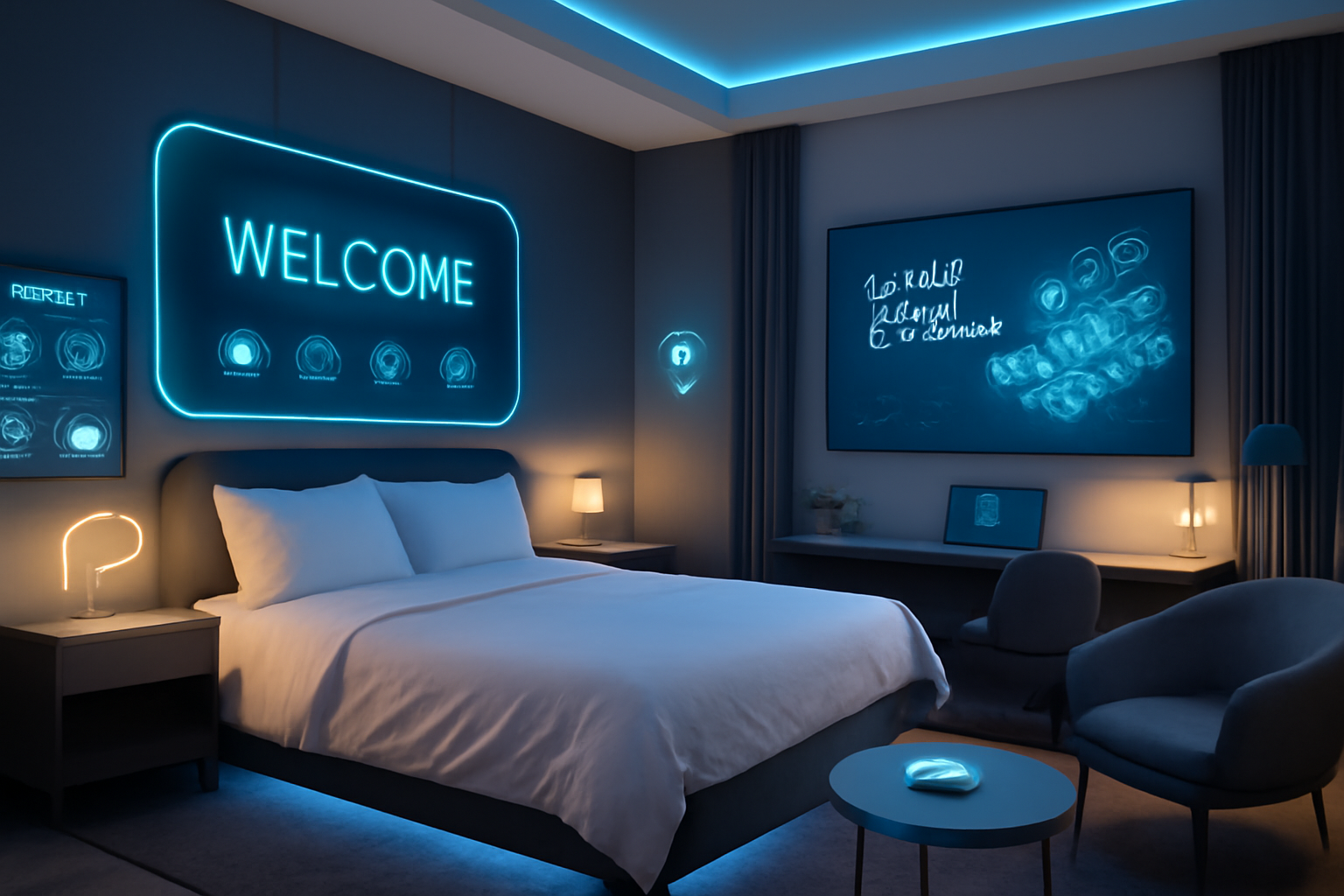
The future of hospitality relies heavily on the ability to adapt leasing strategies to evolving market demands in a dynamic global environment. With hospitality being a rapidly changing sector influenced by technological advancements, demographic shifts, and evolving consumer preferences, aligning leasing practices with these market dynamics is crucial.
Hotel operators are increasingly moving towards more flexible leasing arrangements that can quickly respond to market changes. This trend reflects a transition from traditional long-term leases to short-term and dynamic models, allowing operators to scale operations up or down as demand fluctuates. This flexibility is essential to manage the unpredictable nature of tourism and travel industry cycles.
As digital transformation continues to reshape the hospitality landscape, digital leasing platforms are beginning to play a pivotal role. They offer streamlined processes that facilitate quicker negotiations and property management, matching the speed at which today's market demands fluctuate.
Furthermore, the integration of sustainability into leasing structures is becoming a priority. With increasing consumer demand for eco-friendly accommodation, properties with sustainable features and green certifications are more appealing to potential lessees. Thus, leases that include stipulations for sustainable practices are gaining traction, not only aligning with market demand but also potentially reducing operational costs for hotel operators.
Another significant trend is the shift towards mixed-use developments. These developments combine residential, commercial, and hospitality functions under one lease agreement. This alignment allows operators to diversify revenue streams and attract a broader customer base, meeting the demand for multi-functional spaces that appeal to modern travelers seeking unique experiences.
The demand for experiential travel has also influenced leasing, with properties seeking to incorporate local culture and custom into their offerings. This trend requires a leasing approach that allows for creative renovations and adaptive reuse of spaces, ensuring properties can swiftly adjust to cultural trends and provide authentic experiences.
Lastly, there is a push towards data-driven decision-making in leasing. Property owners and operators are utilizing big data and analytics to forecast market trends, making informed decisions on lease terms and conditions. By harnessing analytics, operators can better predict demand fluctuations, optimize pricing strategies, and tailor lease agreements to mitigate risk.
Aligning hospitality leasing with market demand is contingent upon adaptability, sustainable and innovative leasing solutions, and a keen understanding of consumer preferences and economic trends. As the market continues to evolve, those who closely align their leasing strategies with these factors will be better positioned to capitalize on future opportunities in the hospitality sector.