
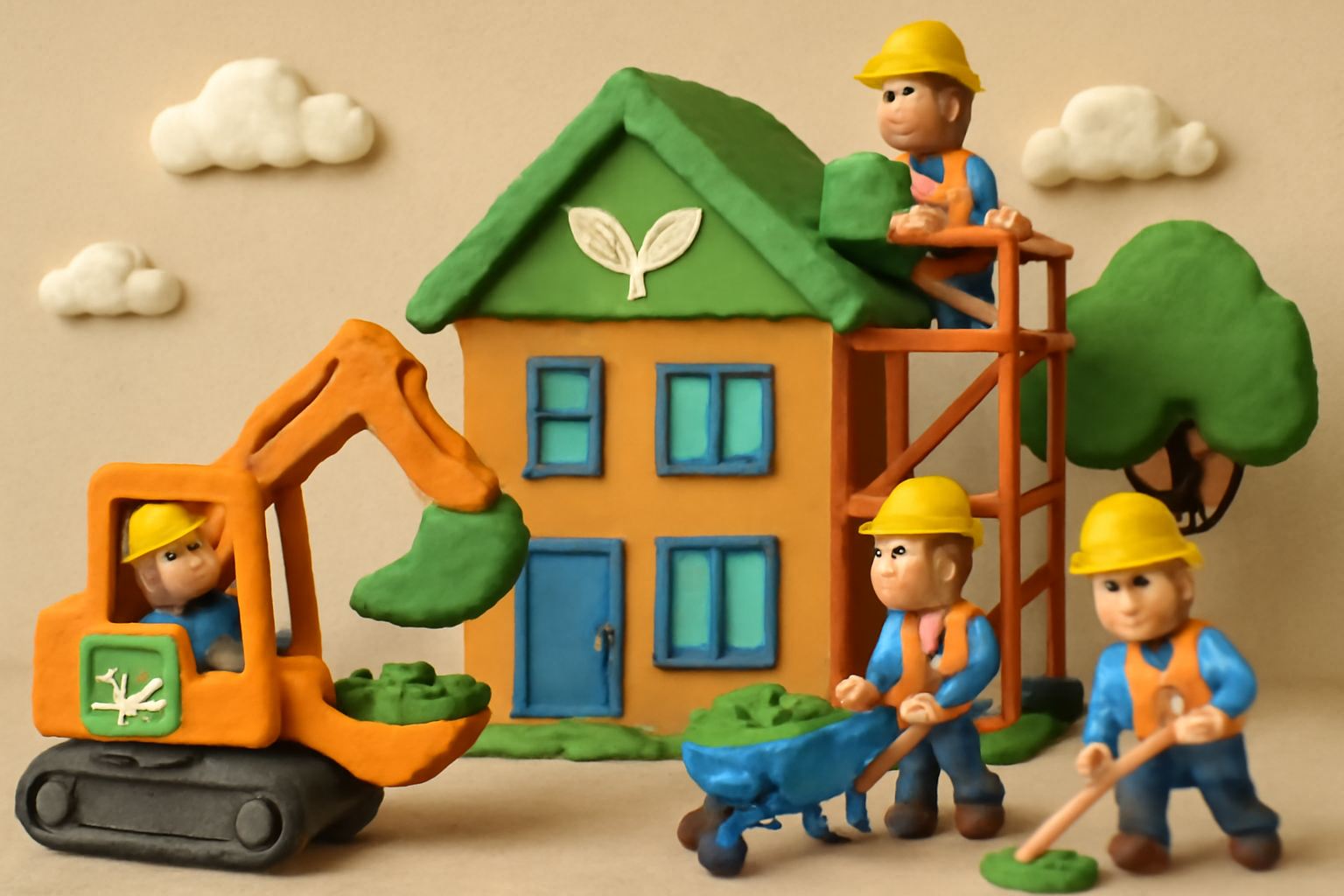
Leasing solutions provide an effective and financially strategic approach to integrating sustainable construction practices. As environmental considerations and regulatory pressures increase, construction firms must optimize resource efficiency and minimize environmental impact. Leasing can effectively support these goals across various facets of the construction process.
Access to Green Technology: Leasing allows construction companies to access the latest energy-efficient machinery and equipment without the substantial upfront capital expenditure. This includes advanced electric vehicles, low-emission machinery, and water-saving devices. Leasing arrangements often include options to upgrade, ensuring companies have access to the latest technologies that align with sustainability standards.
Risk Mitigation: Sustainable equipment often involves newer technologies that might not be fully tested in all environments. Leasing mitigates the risk associated with technological obsolescence and maintenance costs, as lessors usually assume responsibility for maintenance and provide replacements. This arrangement ensures that construction companies maintain operational efficiency without the risk of incurring high costs if a piece of equipment becomes outdated or requires frequent repairs.
Improved Financial Management: The cost predictability associated with leasing contracts supports better financial planning and allocation of resources. With fixed periodic payments, companies can manage cash flow more effectively, allocating funds towards other sustainability initiatives, like employee training in green building practices or upgrading site facilities to be more eco-friendly.
Regulatory Compliance: Leasing agreements can be tailored to ensure compliance with environmental regulations. Lease providers often have solutions that incorporate the latest in eco-friendly technologies aimed at reducing carbon footprints, which can help construction companies meet stringent regulatory requirements without needing a permanent investment.
Enhanced Lifecycle Management: Sustainable construction practices emphasize the efficient use of resources, including the lifecycle management of equipment. Leasing supports the circular economy by facilitating the return and recycling of equipment at the end of its lease term, thus contributing to waste reduction and resource conservation. Lessors often refurbish and redeploy equipment, extending its useful life and reducing landfill waste.
In conclusion, leasing not only provides a strategic financial advantage but also aligns with sustainable building objectives. It supports the transition to greener construction practices by offering flexibility, reducing financial burdens, and ensuring continual access to the latest in environmentally-friendly technology.