
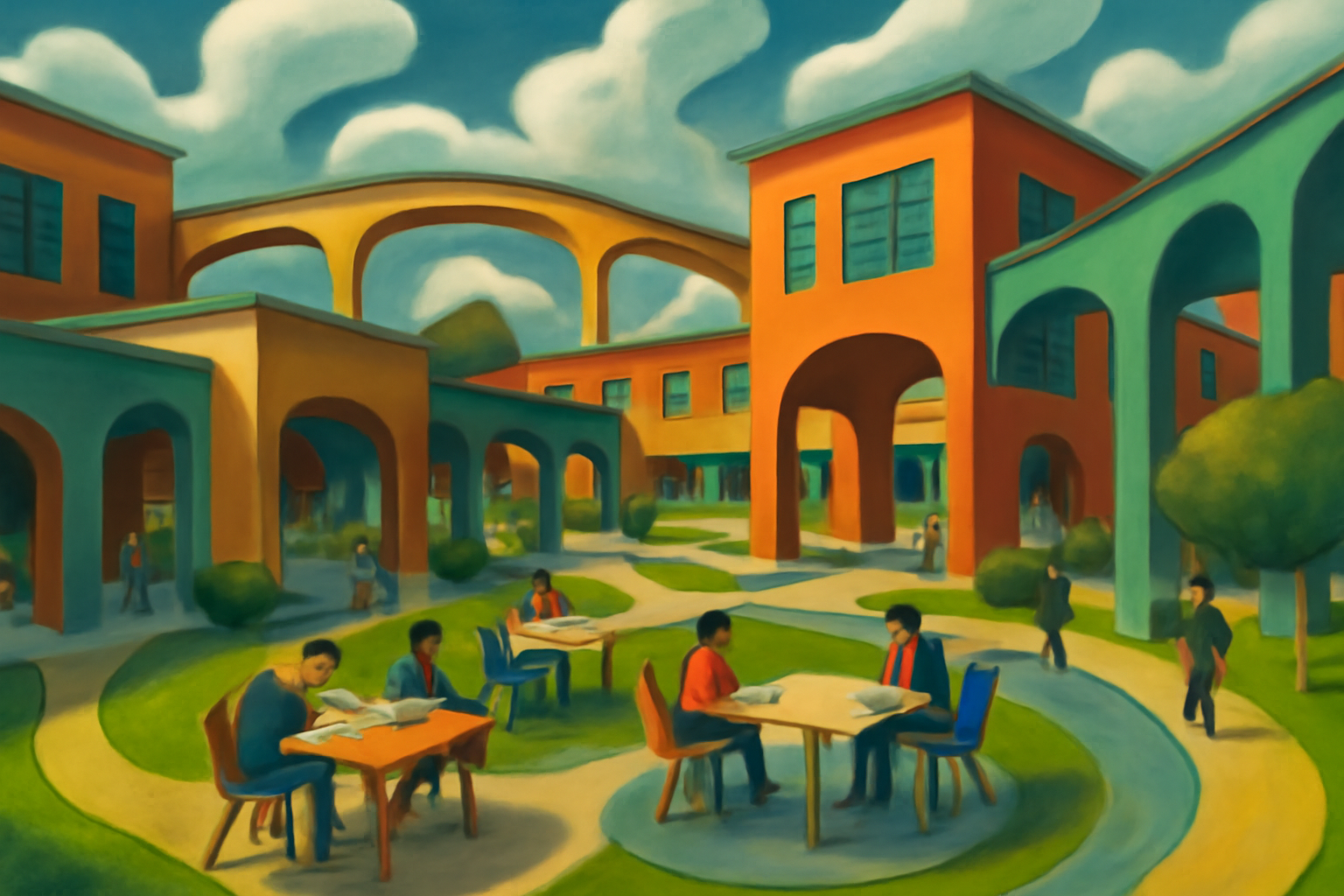
Lease agreements can play a pivotal role in securing educational excellence by providing educational institutions with access to high-quality facilities and resources. These agreements facilitate the ability of schools and universities to expand and upgrade their infrastructure without the immediate need for vast capital expenditures, thereby allowing for a reallocation of funds towards educational enhancements.
One of the primary benefits of lease agreements in education is the flexibility they offer. Educational institutions can tailor lease terms to meet their specific needs, whether it involves leasing additional classroom spaces, sports facilities, or technology equipment. This flexibility allows institutions to adapt to changing enrollment numbers and educational demands efficiently.
Additionally, leasing can enable schools to access modern technology and equipment that might otherwise be cost-prohibitive if purchased outright. Technology in education is essential for contemporary teaching methods, providing students with up-to-date learning tools that mirror what they will encounter in the workforce. Lease agreements often include maintenance and upgrades, which ensures that equipment remains current without additional costs or logistical challenges.
Moreover, leasing can help institutions manage budgets more effectively, as lease payments are predictable and can be easily planned within financial cycles. This financial predictability allows institutions to allocate funds to other areas critical for educational excellence, such as hiring quality staff, implementing innovative programs, and maintaining a robust curriculum.
Real estate leasing, such as for additional classroom space or campuses, also supports the ability of institutions to expand physically in response to population growth or strategic planning needs. Schools can lease facilities in new neighborhoods or regions they intend to serve, broadening their reach and educational impact.
Lease agreements in real estate and equipment allow educational institutions to remain agile, adapting to technological advances and educational trends without the burdens of ownership. This capability helps maintain a competitive edge by continuously enhancing the learning environment and, ultimately, improving student outcomes.